Topic · 05

Diversity & Inclusion

Inclusion as a genuine competitive advantage — not a line in an ESG report.

How to build environments where different people can contribute fully, without having to conform to an implicit standard.

Explore the Two Lenses Matrix© →
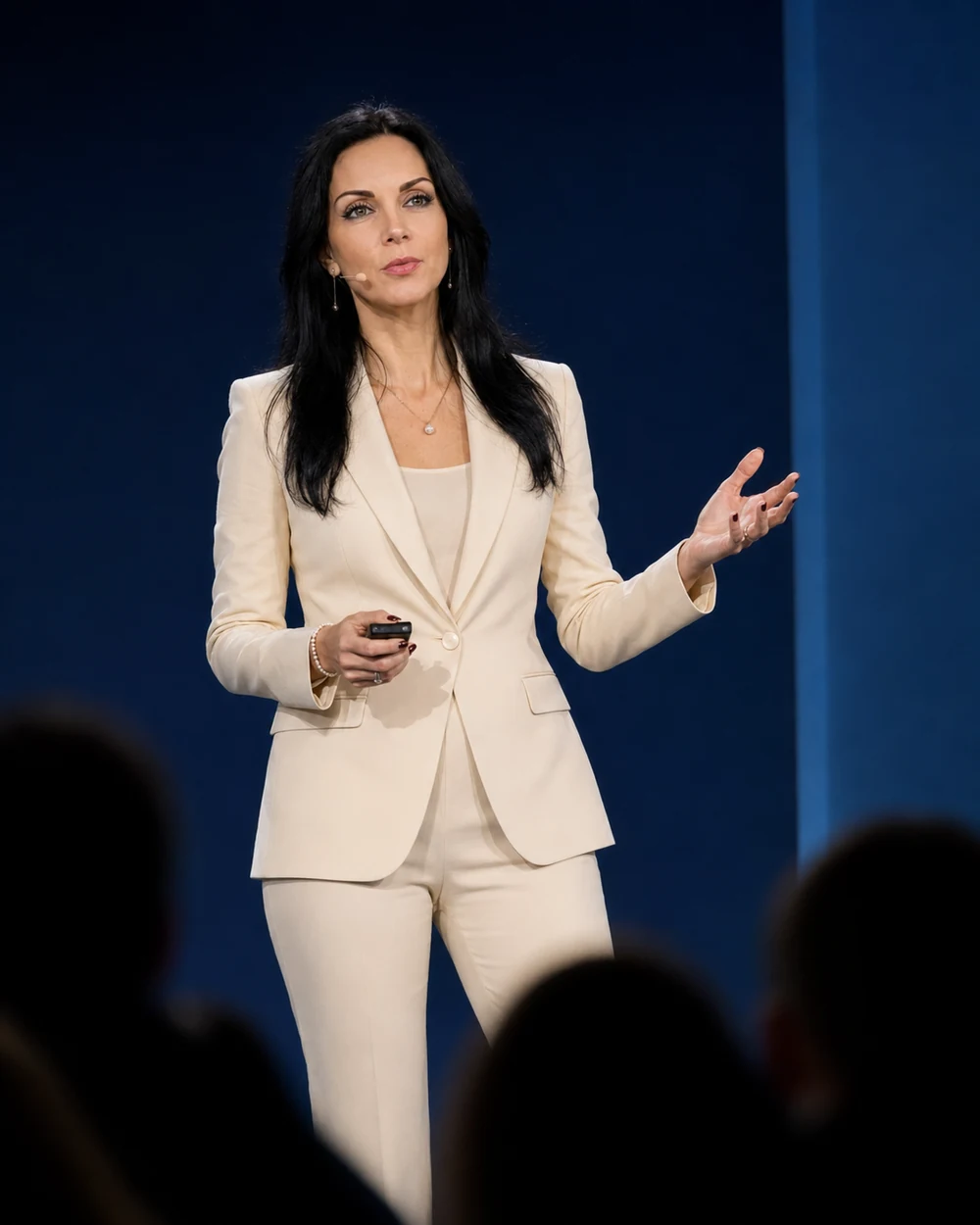
Eleonora Pizzutti speaking at a corporate event on leadership and inclusion
ACC International
Coaching Federation
The starting point

Beyond
awareness

Most D&I programmes stop at awareness. That's not enough.

Raising awareness of bias doesn't automatically eliminate it. Declaring inclusive values doesn't change everyday behaviour. Training on diversity topics without addressing power dynamics and decision-making processes produces good intentions — not results.

My approach starts from a different premise: inclusion is built in the behaviours of individual managers, in the quality of team conversations, in the unwritten rules that govern who gets heard and who doesn't.

That's where the work happens. With method, not good intentions.

Where the work happens

The dimensions of diversity
I work on

Not every organisation has the same priorities. Every intervention starts from listening to the specific context.

01

Generational
diversity

Five generations in the same team: Baby Boomers, Gen X, Millennials, Gen Z, Gen Alpha. Different expectations around feedback, autonomy, career, technology and the meaning of work. How to turn difference into complementarity rather than permanent conflict.

02

Conscious bias
in processes

Bias can't be eliminated — it can be managed. Working on awareness of the cognitive mechanisms that influence selection, evaluation, promotion and who speaks in meetings. With practical tools, not just theory.

03

Cognitive diversity
and neurodiversity

Neurodiversity, different learning and communication styles. How to build work environments that don't require people who function differently to mask it in order to succeed. A personal sensitivity I bring directly into every engagement.

04

Inclusive
communication

The language we use creates or excludes space. How to communicate in ways that make different people feel genuinely included — not just formally invited. From word choice to meeting structure.

05

Inclusive
leadership

The manager as multiplier or blocker of inclusion. How to recognise your own excluding patterns, manage diverse teams by leveraging difference, and create conditions where different people can contribute their full potential.

06

Organisational culture
and implicit standards

The unwritten rules that govern who has a voice, who gets promoted, which work style is considered "normal". Real inclusion requires making these implicit standards visible — and consciously deciding which to keep and which to change.

How interventions are structured

Bespoke
formats

D&I interventions can be standalone or integrated into broader leadership programmes. The choice depends on the objective and the organisation's level of maturity.

  • 01

    Keynotes and one-off interventions

    For conventions, corporate kick-offs and dedicated days. Content that leaves people with something concrete — not just a warm feeling.

  • 02

    Experiential workshops

    Half-day or full-day. Activities that surface real mechanisms rather than just describing them. Suitable for mixed teams and homogeneous role groups alike.

  • 03

    Integrated programmes

    D&I modules within broader leadership development programmes. The most effective format: inclusion not as a separate topic, but as a cross-cutting dimension of leadership.

  • 04

    Individual coaching on D&I

    For managers who want to work on their own excluding patterns or on specific situations involving diversity management in their team.

Proprietary tool

The Two Lenses
Matrix©

A diagnostic tool designed for multigenerational management programmes. Each participant positions themselves on key work dimensions, then compares that position with typical generational profiles.

The most powerful insight moment: discovering that your own preferences don't align with those "expected" of your generation. Generalisations stop being labels and become mirrors.

Developed for the Leading Across Generations programme
01

Individual poll

Preferences on feedback, autonomy, communication, relationship with authority, sense of time.

02

Generational comparison

Individual results overlaid on generational profiles. Insights that break stereotypes from the inside.

03

Operational matrix

Each manager positions themselves and each team member. A concrete tool to use in daily work.

Explore also

Other topics and
ways of working

Master Training → Team Coaching → Coaching 1:1 → Real cases →

Want to bring inclusion
into practice?

Tell me about your context. We'll work out together which format makes sense for your organisation.

Discuss your project → Frequently asked questions →